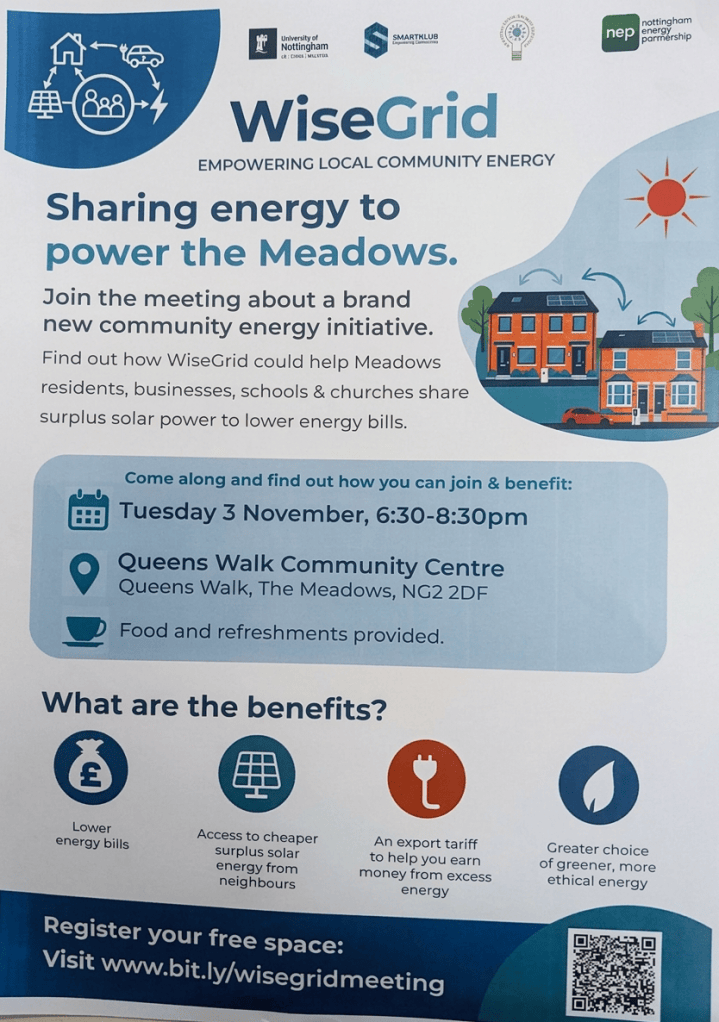
On 3 November I went to a community meeting at Queens Walk Community Centre about WiseGrid, a proposed scheme for sharing surplus solar power in the Meadows.
In the interests of transparency: I work at the University of Nottingham, one of the project’s partners. These are my own views.
The idea
As more homes install solar panels, batteries, heat pumps and electric vehicles, our electricity networks will come under strain. The usual answer is to upgrade the grid, but the cost of that work is passed on to consumers, potentially for decades.
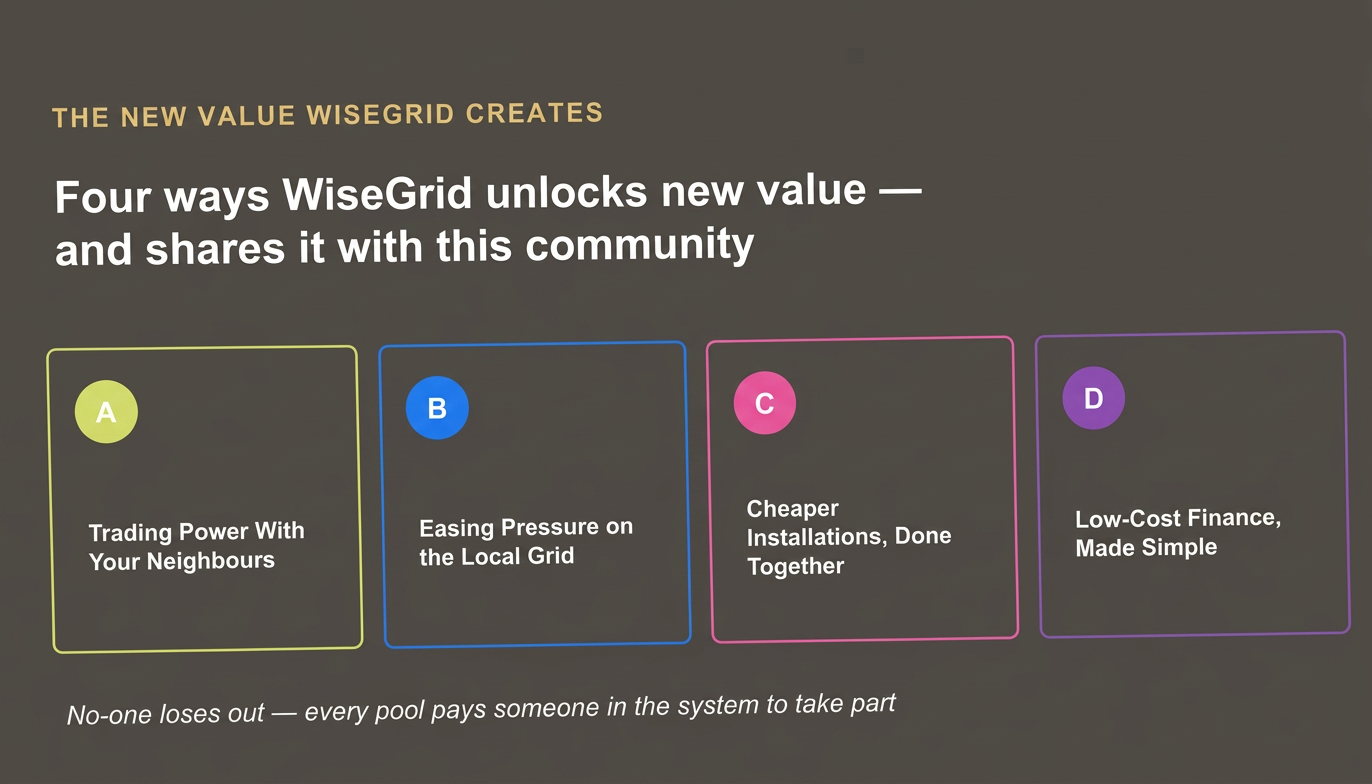
WiseGrid, developed by University of Nottingham engineers with industry partner Smartklub, takes a different approach. It’s a community platform that matches local energy supply and demand, so neighbours can share and trade power. By shifting when energy is generated, stored and used, the aim is to ease pressure on the grid, lower bills and make better use of clean energy. The organisers also point to fairer import tariffs and better export rates for people with surplus energy.
In the Meadows, the proposal is that residents, businesses, schools, churches and mosques could share surplus solar power locally.
The questions residents asked
What struck me first was the room. There were plenty of well-informed, interested residents, and their questions were sharp. Two stood out: how would this work in practice, and how is it different from what the big energy brands already offer?
Those are exactly the right questions. A scheme like this will only earn trust if people can see how it works day to day and what they get that they couldn’t get elsewhere.
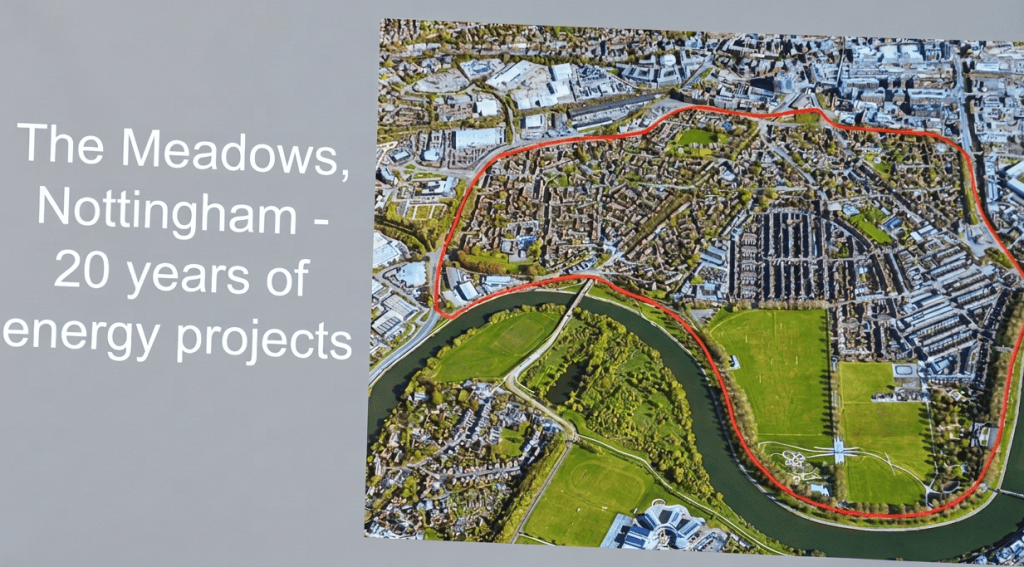
The Meadows isn’t starting from scratch. Green Meadows, launched in 2021 by Nottingham Energy Partnership and the community energy group MOZES with a £1.5m National Lottery grant, has already brought residents retrofit workshops (with over 600 attendances), a free toolshare that has saved an estimated £85,000, and community action days. That experience and goodwill is a big part of why a conversation about sharing energy can start here.
What I took away
It was a good example of a community, an entrepreneur and university researchers working together, with local councillors there to listen as well. That mix matters. Good ideas for local energy tend to need all of them: technical expertise, a workable business model and neighbours who are willing to take part.
It also gave me a glimpse of the future of the grid, one where energy is more local, more flexible and, if it works as intended, cheaper and more affordable for the people who live nearby. That sits alongside the council’s recent investment in solar and climate resilience, and the question in both cases is the same: how do ordinary households get access to clean, affordable energy?
WiseGrid is still a proposal, and there’s more to learn about how it will work in practice. Residents were asked to sign up to find out more.
I’ll be following with interest.